Heel pain can negatively affect your day-to-day life. Simple activities like walking can become incredibly uncomfortable or painful due to heel pain.
Don’t live with heel pain and get treated.
Heel pain can negatively affect your day-to-day life. Simple activities like walking can become incredibly uncomfortable or painful due to heel pain.
Don’t live with heel pain and get treated.
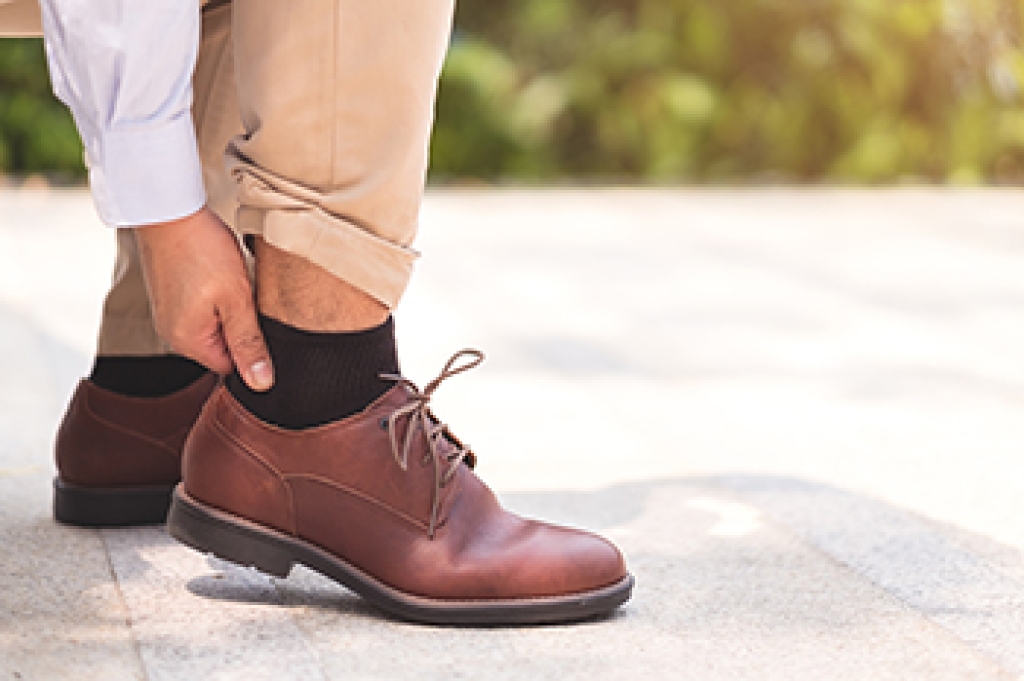
Choosing the right shoes is essential for retail workers who spend much of the day standing and walking. Proper fit is the most important factor, as shoes that are too tight or too loose can lead to pain, blisters, and fatigue. Trying shoes on at the end of the day can help ensure they accommodate natural foot swelling. Arch support is also critical, as it helps distribute pressure evenly and reduces strain on the feet, ankles, and lower legs. Cushioned soles and supportive materials can improve comfort throughout long shifts. A podiatrist can assess foot structure, identify problem areas, and recommend appropriate footwear or custom orthotics to enhance support and reduce discomfort. If you have foot pain at work, it is suggested that you consult a podiatrist for personalized guidance and expert care.
While working on the feet, it is important to take the proper care of them. For more information about working on your feet, contact Ramin Nadjafi, DPM from Advanced Podiatry Group. Our doctor will treat your foot and ankle needs.
Working on Your Feet
Standing on your feet for long periods of time can cause stress and pain in your feet. Your whole body may experience change in terms of posture, back pain, bunions, callouses and or plantar warts. There are ways to avoid these conditions with proper foot care, smart choices and correct posture.
Positive Changes
Negative heeled shoe – Choosing this shoe type places the heel slightly lower than the ball of the foot. These are great for overall foot health. Find shoes that fit you correctly.
Go barefoot – Our feet were not designed to be enclosed for all hours of the day. Try to periodically expose your feet to air.
Eliminate Pain
Foot Exercises – Performing simple exercises, incorporating yoga and doing stretches are beneficial. This will allow increased blood flow to the area and muscles of the foot.
Achilles tendon – Stretching the foot out flat on the floor will relax the calf muscles and tendon. These exercises can be performed almost anywhere. Make sure you add these exercises to your daily regimen.
With a little bit of this information and knowing more about foot health, you will notice changes. Foot stretches and proper footwear will help with pain and prevent further issues.
If you have any questions please contact our offices located in Orlando Orlando and Orlando, FL . We offer the newest diagnostic and treatment technologies for all your foot and ankle needs.
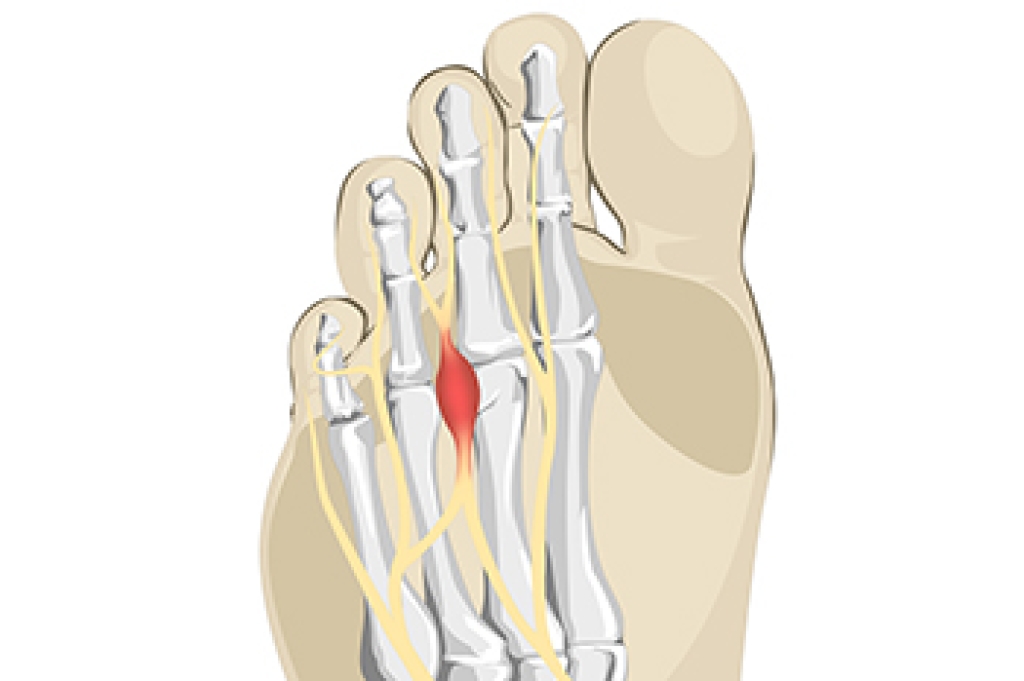
Morton's neuroma is a painful foot condition that involves thickening and irritation of a nerve that runs between the metatarsal bones at the base of the toes. It is commonly caused by compression of the nerve, which disrupts normal sensation between the ends of the metatarsals. Wearing tight shoes that squeeze the forefoot can increase pressure in this area and worsen symptoms over time. Common signs include pain in the ball of the foot, a burning sensation, tingling, or the feeling of standing on a small pebble. A podiatrist can diagnose Morton's neuroma through a physical examination and imaging, when needed. Treatment may include footwear modifications, orthotics, targeted therapies, and pain relief strategies. If you have pain in this part of your foot, it is suggested that you schedule a visit with a podiatrist who can accurately diagnose and treat what may be going on.
Morton’s neuroma is a very uncomfortable condition to live with. If you think you have Morton’s neuroma, contact Ramin Nadjafi, DPM of Advanced Podiatry Group. Our doctor will attend to all of your foot care needs and answer any of your related questions.
Morton’s Neuroma
Morton's neuroma is a painful foot condition that commonly affects the areas between the second and third or third and fourth toe, although other areas of the foot are also susceptible. Morton’s neuroma is caused by an inflamed nerve in the foot that is being squeezed and aggravated by surrounding bones.
What Increases the Chances of Having Morton’s Neuroma?
Morton’s neuroma is a very treatable condition. Orthotics and shoe inserts can often be used to alleviate the pain on the forefront of the feet. In more severe cases, corticosteroids can also be prescribed. In order to figure out the best treatment for your neuroma, it’s recommended to seek the care of a podiatrist who can diagnose your condition and provide different treatment options.
If you have any questions, please feel free to contact our offices located in Orlando Orlando and Orlando, FL . We offer the newest diagnostic and treatment technologies for all your foot care needs.
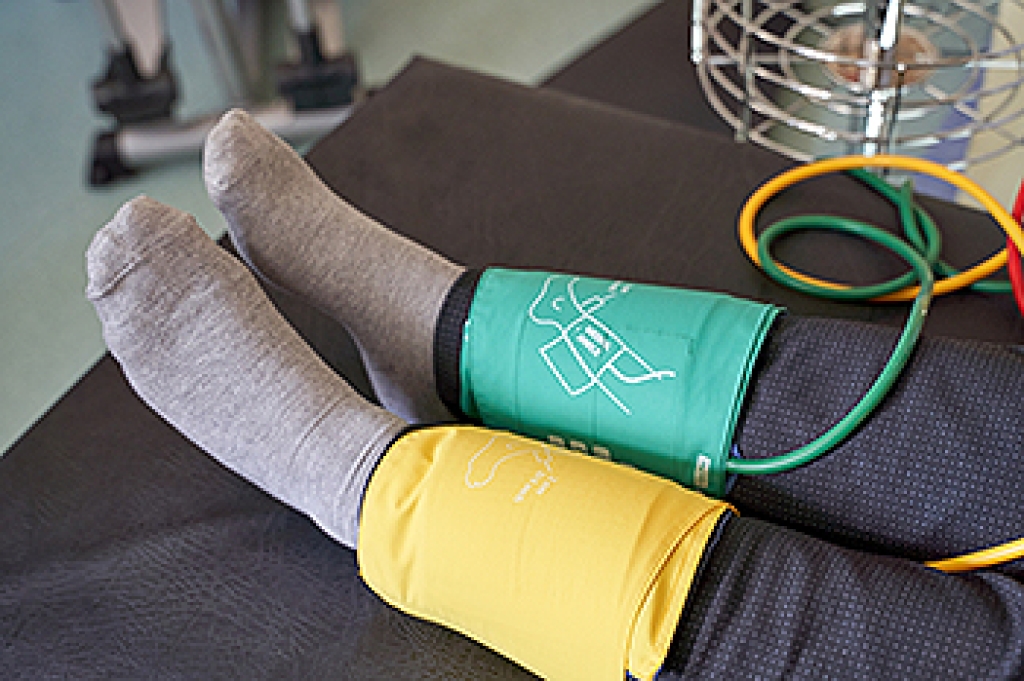
Testing for peripheral artery disease focuses on blood flow to the feet, toes, and ankles. Changes in circulation can affect skin temperature, nail health, healing, and walking comfort. During an exam, a podiatrist checks how well blood is reaching the feet and toes, skin color, and temperature to look for reduced flow. In-office tools allow listening to blood movement and comparing pressure between the ankle and toe, which helps identify peripheral artery disease later in the visit. Findings guide decisions about monitoring, further testing, or surgery when circulation is severely limited. Assessment is important for people with slow-healing sores, numbness, or color changes in the feet. A podiatrist explains results, tracks changes over time, and helps lower the risk of wounds, infection, and loss of limb affecting the feet. For help with foot problems, it is suggested that you consult a podiatrist for an exam and treatment.
Peripheral artery disease can pose a serious risk to your health. It can increase the risk of stroke and heart attack. If you have symptoms of peripheral artery disease, consult with Ramin Nadjafi, DPM from Advanced Podiatry Group. Our doctor will assess your condition and provide you with quality foot and ankle treatment.
Peripheral artery disease (PAD) is when arteries are constricted due to plaque (fatty deposits) build-up. This results in less blood flow to the legs and other extremities. The main cause of PAD is atherosclerosis, in which plaque builds up in the arteries.
Symptoms
Symptoms of PAD include:
It is important to note that a majority of individuals never show any symptoms of PAD.
Diagnosis
While PAD occurs in the legs and arteries, Podiatrists can diagnose PAD. Podiatrists utilize a test called an ankle-brachial index (ABI). An ABI test compares blood pressure in your arm to you ankle to see if any abnormality occurs. Ultrasound and imaging devices may also be used.
Treatment
Fortunately, lifestyle changes such as maintaining a healthy diet, exercising, managing cholesterol and blood sugar levels, and quitting smoking, can all treat PAD. Medications that prevent clots from occurring can be prescribed. Finally, in some cases, surgery may be recommended.
If you have any questions, please feel free to contact our offices located in Orlando Orlando and Orlando, FL . We offer the newest diagnostic and treatment technologies for all your foot care needs.
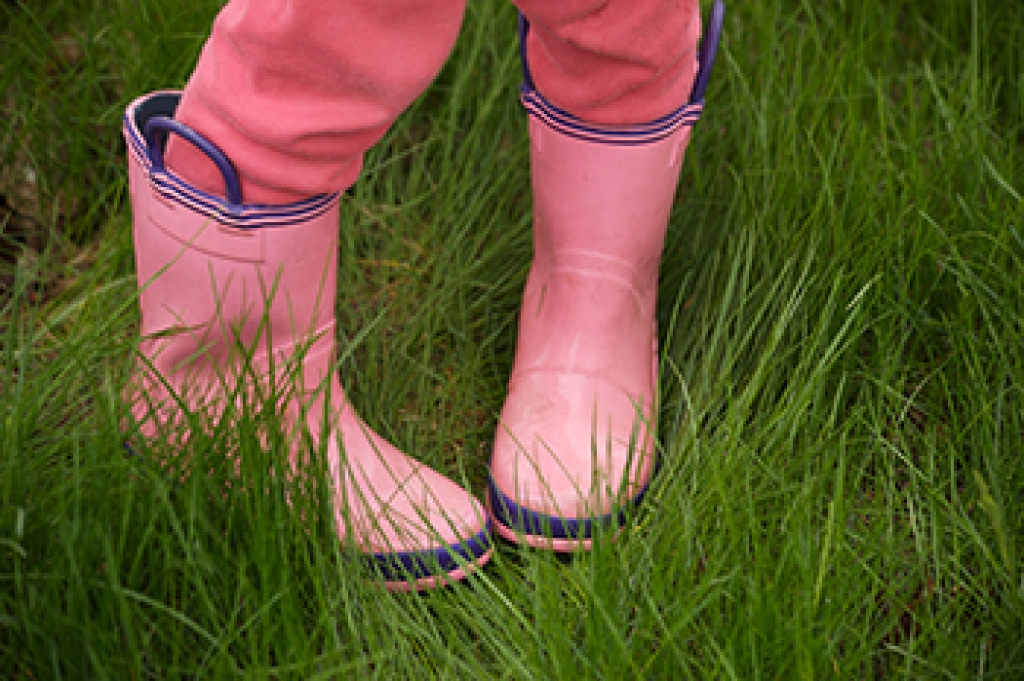
Children’s foot deformities are common and often noticed as a child begins to walk or becomes more active. Intoeing is a condition where the feet turn inward while walking, which may come from the hips, legs, or feet. Causes can include developmental changes, muscle imbalance, or inherited foot structure. Symptoms may involve frequent tripping, awkward walking patterns, uneven shoe wear, or leg fatigue during play. While many children outgrow intoeing, some cases may benefit from professional evaluation. A podiatrist can help by assessing gait, foot alignment, and growth patterns to determine the cause and severity. Treatment may include monitoring, stretching exercises, wearing supportive footwear, or custom orthotics to guide proper foot position. If you notice your child walking with their feet turned inward or having difficulty keeping up with activities, it is suggested that you schedule a podiatry consultation to ensure proper foot development and confident movement.
Making sure that your children maintain good foot health is very important as they grow. If you have any questions, contact Ramin Nadjafi, DPM of Advanced Podiatry Group. Our doctor can provide the care you need to keep you pain-free and on your feet.
Keeping Children's Feet Healthy
Having healthy feet during childhood can help prevent medical problems later in life, namely in the back and legs. As children grow, their feet require different types of care. Here are some things to consider...
Although babies do not walk yet, it is still very important to take care of their feet.
Avoid putting tight shoes or socks on his or her feet.
Allow the baby to stretch and kick his or her feet to feel comfortable.
As a toddler, kids are now on the move and begin to develop differently. At this age, toddlers are getting a feel for walking, so don’t be alarmed if your toddler is unsteady or ‘walks funny’.
As your child gets older, it is important to teach them how to take care of their feet.
Show them proper hygiene to prevent infections such as fungus.
Be watchful for any pain or injury.
Have all injuries checked by a doctor as soon as possible.
Comfortable, protective shoes should always be worn, especially at play.
If you have any questions, please feel free to contact our offices located in Orlando Orlando and Orlando, FL . We offer the newest diagnostic and treatment technologies for all your foot care needs.
Connect With Us
