The Impact of Shoes on Feet and Overall Body Comfort

Footwear plays a crucial role in the overall health of your feet and musculoskeletal system. Shoes with narrow toe boxes, toe spring, and elevated heels can have profound effects on various parts of your body. Some shoes fit the ankle in a slightly plantar-flexed position, destabilizing it, and increasing the risk of ankle sprains. They also shorten posterior calf muscles and tendons, potentially leading to reduced muscle elasticity and performance. These kinds of shoes can negatively impact the knees, the pelvis, in addition to the spine. Optimal foot alignment within naturally shaped footwear, characterized by a wide toe box and a level sole, can help address these concerns. This type of footwear encourages even weight distribution, natural joint alignment, and balanced spinal curvature, promoting overall musculoskeletal health. If you would like professional help with choosing footwear that will best maintain the health of your feet and benefit the rest of your body, it is suggested that you make an appointment with a podiatrist to discuss this subject further.

It is important to find shoes that fit you properly in order to avoid a variety of different foot problems. For more information about treatment, contact Ramin Nadjafi, DPM from Advanced Podiatry Group. Our doctor will treat your foot and ankle needs.

Proper Shoe Fitting

Shoes have many different functions. They cushion our body weight, protect our feet, and allow us to safely play sports. You should always make sure that the shoes you wear fit you properly in order to avoid injuries and deformities such as: bunions, corns, calluses, hammertoes, plantar fasciitis, stress fractures, and more. It is important to note that although a certain pair of shoes might be a great fit for someone else, that doesn’t mean they will be a great fit for you. This is why you should always try on shoes before buying them to make sure they are worth the investment. Typically, shoes need to be replaced ever six months to one year of regular use.

Tips for Proper Shoe Fitting

  • Select a shoe that is shaped like your foot
  • Don’t buy shoes that fit too tight, expecting them to stretch to fit
  • Make sure there is enough space (3/8” to ½”) for your longest toe at the end of each shoe when you are standing up
  • Walk in the shoes to make sure they fit and feel right
  • Don’t select shoes by the size marked inside the shoe, but by how the shoe fits your foot

The shoes you buy should always feel as good as they look. Shoes that fit properly will last longer, feel better, and improve your way of life each day.

If you have any questions please contact our office located in Orlando, FL . We offer the newest diagnostic and treatment technologies for all your foot and ankle needs.

Read more about Proper Shoe Fitting

Wounds That Don't Heal Need to Be Checked

Your feet are covered most of the day. If you're diabetic, periodic screening is important for good health. Numbness is often a sign of diabetic foot and can mask a sore or wound.

Pain in the Arch of the Foot

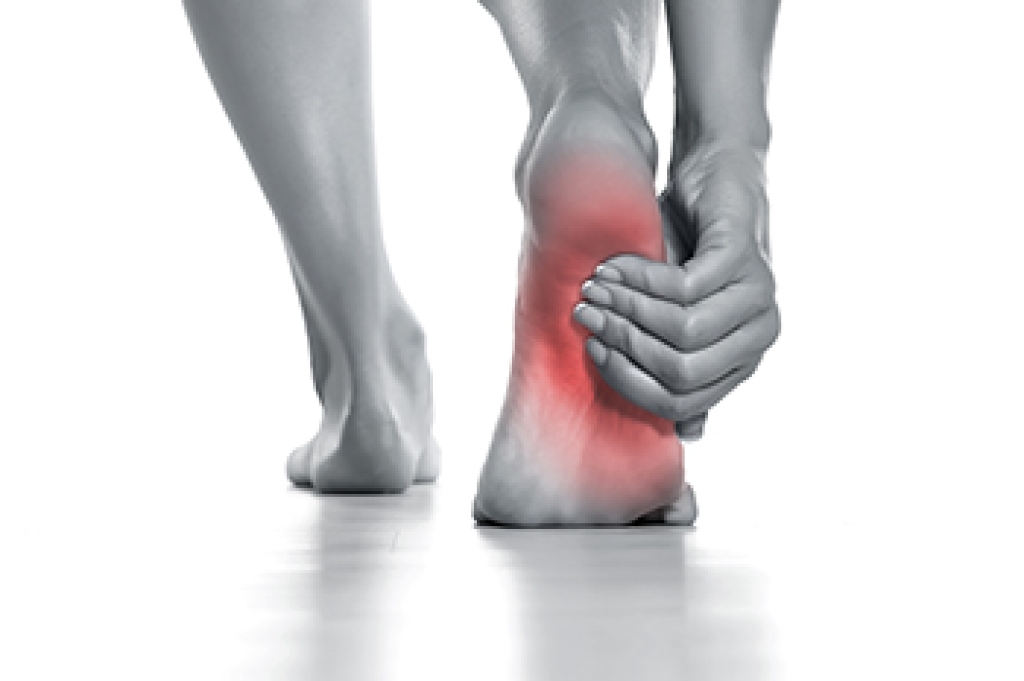
Pain in the arch of the foot can affect daily activities and cause discomfort. A common cause of arch pain is plantar fasciitis, which often occurs due to flat feet. This condition involves the overstretching of the plantar fascia, leading to morning pain and discomfort in the heel. Stress fractures are another typical source of arch pain, arising from repetitive force, especially in high-impact activities. Flat feet, or fallen arches, can contribute to arch pain as well. When the arches collapse while walking or standing, it can cause discomfort. Managing this condition involves shoe adjustments, using inserts, and incorporating periods of rest. Posterior tibial tendonitis is another cause of arch pain. It results from overuse of the tibialis posterior muscle, particularly after extended periods of standing. Treatment options include rest, specific exercises, and the use of compression. Foot cramps can also lead to arch pain. Wearing ill-fitting shoes that lack arch support is another contributor to arch pain. Underlying medical conditions like arthritis, diabetes, and obesity can weaken bones and tendons, leading to arch pain. If you suffer from pain in the arches of the feet, it is suggested that you make an appointment with a podiatrist for diagnosis and treatment. 

Foot Pain

Foot pain can be extremely painful and debilitating. If you have a foot pain, consult with Ramin Nadjafi, DPM from Advanced Podiatry Group. Our doctor will assess your condition and provide you with quality foot and ankle treatment.

Causes

Foot pain is a very broad condition that could be caused by one or more ailments. The most common include:

  • Bunions
  • Hammertoes
  • Plantar Fasciitis
  • Bone Spurs
  • Corns
  • Tarsal Tunnel Syndrome
  • Ingrown Toenails
  • Arthritis (such as Gout, Rheumatoid, and Osteoarthritis)
  • Flat Feet
  • Injury (from stress fractures, broken toe, foot, ankle, Achilles tendon ruptures, and sprains)
  • And more

Diagnosis

To figure out the cause of foot pain, podiatrists utilize several different methods. This can range from simple visual inspections and sensation tests to X-rays and MRI scans. Prior medical history, family medical history, and any recent physical traumatic events will all be taken into consideration for a proper diagnosis.

Treatment

Treatment depends upon the cause of the foot pain. Whether it is resting, staying off the foot, or having surgery; podiatrists have a number of treatment options available for foot pain.

If you have any questions, please feel free to contact our office located in Orlando, FL . We offer the newest diagnostic and treatment technologies for all your foot care needs.

Read more about Foot Pain

How Peripheral Artery Disease Can Affect the Feet

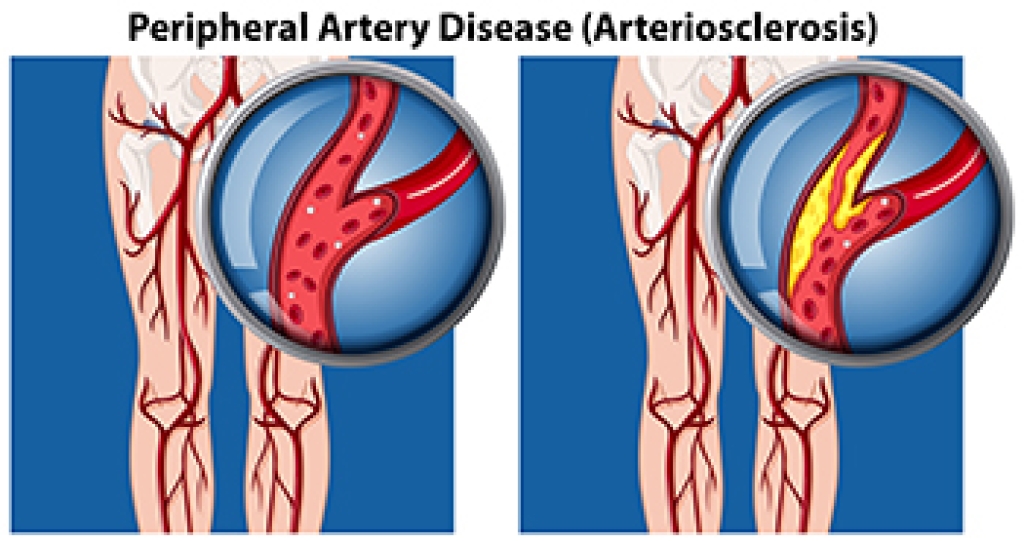
Peripheral artery disease, abbreviated PAD, also referred to as peripheral vascular disease, is a condition that arises from the reduced flow of blood to the body’s extremities, including the lower legs and feet. People with diabetes are more susceptible to developing PAD, as a result of weakened and damaged blood vessels from having high blood sugar. Blood clot formation within the vessels can also contribute to this condition. Conditions such as arthritis, which causes inflammation of the arteries, can further fuel peripheral artery disease. Other factors, such as smoking, hypertension, and obesity, increase the risk of developing PAD. Symptoms can include intermittent pain, coldness, numbness, and a bluish hue in the skin. In more advanced stages, wounds that resist healing, and areas of skin that blacken may develop due to the lack of adequate blood flow. In such cases, swift medical intervention is extremely important. If you suspect you may have peripheral artery disease that is affecting your lower extremities, it is suggested that you make an appointment with a podiatrist, who is specifically trained to manage this condition.

Peripheral artery disease can pose a serious risk to your health. It can increase the risk of stroke and heart attack. If you have symptoms of peripheral artery disease, consult with Ramin Nadjafi, DPM from Advanced Podiatry Group. Our doctor will assess your condition and provide you with quality foot and ankle treatment.

Peripheral artery disease (PAD) is when arteries are constricted due to plaque (fatty deposits) build-up. This results in less blood flow to the legs and other extremities. The main cause of PAD is atherosclerosis, in which plaque builds up in the arteries.

Symptoms

Symptoms of PAD include:

  • Claudication (leg pain from walking)
  • Numbness in legs
  • Decrease in growth of leg hair and toenails
  • Paleness of the skin
  • Erectile dysfunction
  • Sores and wounds on legs and feet that won’t heal
  • Coldness in one leg

It is important to note that a majority of individuals never show any symptoms of PAD.

Diagnosis

While PAD occurs in the legs and arteries, Podiatrists can diagnose PAD. Podiatrists utilize a test called an ankle-brachial index (ABI). An ABI test compares blood pressure in your arm to you ankle to see if any abnormality occurs. Ultrasound and imaging devices may also be used.

Treatment

Fortunately, lifestyle changes such as maintaining a healthy diet, exercising, managing cholesterol and blood sugar levels, and quitting smoking, can all treat PAD. Medications that prevent clots from occurring can be prescribed. Finally, in some cases, surgery may be recommended.

If you have any questions, please feel free to contact our office located in Orlando, FL . We offer the newest diagnostic and treatment technologies for all your foot care needs.

Read more about Peripheral Artery Disease

 Maintaining Ankle Support as a Dancer

To keep ankles strong and avoid dance injuries, it is important to take good care of them. Ankle problems can make it hard to move and do activities that use the legs. Dancing can be especially tough on ankles because of the energetic moves and jumps often involved. This can lead to issues like Achilles tendonitis, sprains, shin splints, and heel spurs. Pushing too hard can also hurt the ligaments, making ankles less flexible and painful. To prevent this, dancers can follow some good habits for healthy ankles. Warming up before dancing helps the muscles prepare for action. Moving the foot like drawing the alphabet can get blood flowing and make ankles more prepared. Practicing balance by standing on one foot for a minute can make ankles stronger and improve posture. Wearing ankle weights can be helpful for building strength and using ankle supports or braces can reduce pressure and keep ankles steady during dance. Watching one’s weight is also important because too much can harm the ankles. If you are a dancer and want to maintain the support of your ankles, it is suggested that you make an appointment with a podiatrist to discuss additional methods for good ankle care.

Ankle pain can be caused by a number of problems and may be potentially serious. If you have ankle pain, consult with Ramin Nadjafi, DPM from Advanced Podiatry Group. Our doctor will assess your condition and provide you with quality foot and ankle treatment.

Ankle pain is any condition that causes pain in the ankle. Due to the fact that the ankle consists of tendons, muscles, bones, and ligaments, ankle pain can come from a number of different conditions.

Causes

The most common causes of ankle pain include:

  • Types of arthritis (rheumatoid, osteoarthritis, and gout)
  • Ankle sprains
  • Broken ankles
  • Achilles tendonitis
  • Achilles tendon rupture
  • Stress fractures
  • Bursitis
  • Tarsal tunnel syndrome
  • Plantar fasciitis

Symptoms

Symptoms of ankle injury vary based upon the condition. Pain may include general pain and discomfort, swelling, aching, redness, bruising, burning or stabbing sensations, and/or loss of sensation.

Diagnosis

Due to the wide variety of potential causes of ankle pain, podiatrists will utilize a number of different methods to properly diagnose ankle pain. This can include asking for personal and family medical histories and of any recent injuries. Further diagnosis may include sensation tests, a physical examination, and potentially x-rays or other imaging tests.

Treatment

Just as the range of causes varies widely, so do treatments. Some more common treatments are rest, ice packs, keeping pressure off the foot, orthotics and braces, medication for inflammation and pain, and surgery.

If you have any questions please feel free to contact our office located in Orlando, FL . We offer the newest diagnostic tools and technology to treat your foot and ankle needs.

Read more about Various Causes of Ankle Pain

How To Eliminate Cracked Heels

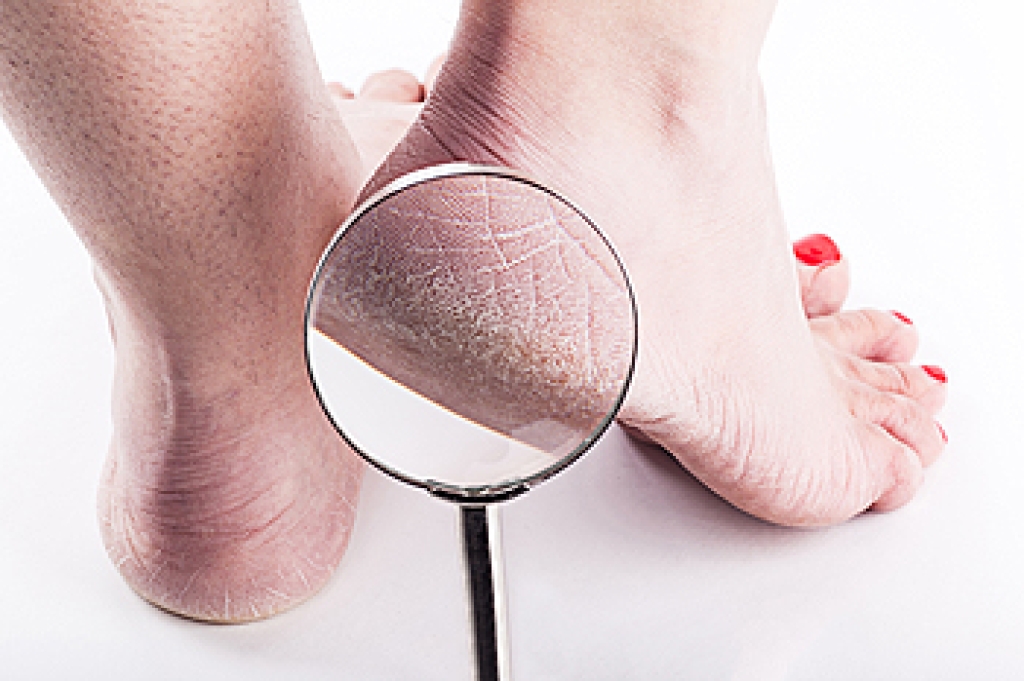
With the warm weather upon us, we are eagerly pulling out our sandals and flip-flops. While this is a welcome trend in some respects, a downside is that it exposes cracked heels, an unsightly, sometimes painful, and potentially unhealthy condition. Wearing footwear such as sandals that expose the heels can lead to dry, cracked heels due to their lack of support and exposure to the elements. When our heels strike the ground while walking or running, the skin around them must be supple and flexible to move and stretch. Dryness and calluses hinder this flexibility, causing the skin to crack and split. To combat this condition, shoes with heel cups can be worn for better support and cushioning. Socks can also help prevent skin friction against the shoe's material. Hydrating well and moisturizing the feet regularly is particularly effective. If underlying causes for cracked heels, such as diabetes, contribute to cracked heels, they must be addressed to prevent recurrence. If you suffer from this uncomfortable ailment, it is suggested that you make an appointment with a podiatrist for a proper examination and individualized treatment.

If the skin on your feet starts to crack, you may want to see a podiatrist to find treatment. If you have any concerns, contact Ramin Nadjafi, DPM from Advanced Podiatry Group. Our doctor can provide the care you need to keep you pain-free and on your feet.

Cracked Heels

It is important to moisturize your cracked heels in order to prevent pain, bleeding, and infection. The reason cracked heels form is because the skin on the foot is too dry to support the immense pressure placed on them. When the foot expands, the dry skin on the foot begins to split.

Ways to Help Heal Them

  • Invest in a good foot cream
  • Try Using Petroleum Jelly
  • Ease up on Soaps
  • Drink Plenty of Water

Ways to Prevent Cracked Heels

  • Moisturize After Showering
  • Skip a Shower
  • Keep Shower Water Lukewarm
  • Don’t Scrub Your Feet

If you are unsure how to proceed in treating cracked heels, seek guidance from a podiatrist. Your doctor will help you with any questions or information you may need. 

If you have any questions, please feel free to contact our office located in Orlando, FL . We offer the newest diagnostic and treatment technologies for all your foot care needs.

Read more about Solutions for Cracked Heels

Understanding Toddlers' Growing Feet and Shoe Requirements

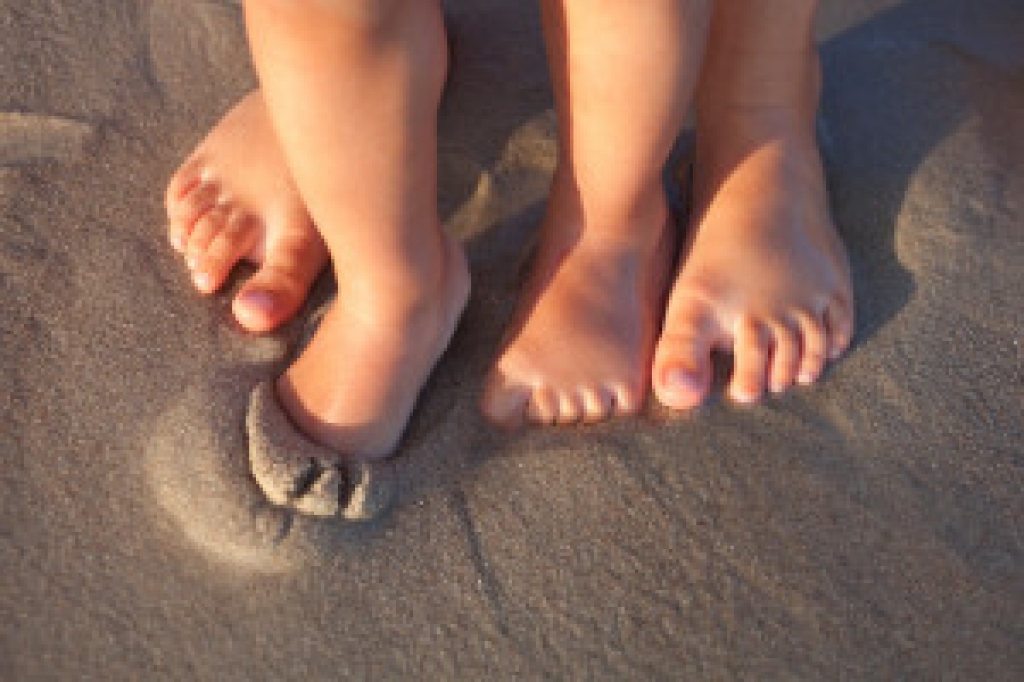
Toddlers' feet grow at an unpredictable rate, just like their ever-changing moods and preferences. Between ages 1 and 3, a child's foot typically grows about 1/2 to 3/4 inches per year, with occasional growth spurts leading to rapid changes in shoe size. Trying to measure their feet monthly can be a challenge, so monitoring how well their shoes fit is the best way to gauge their growth. It is common for toddlers to require two or three different shoe sizes within a year, which may seem costly but is a natural part of their development. After age 3, foot growth slows to about 1/2 inch per year until reaching adult size. When shopping for shoes, it is crucial to check the fit regularly, ensuring there is enough space for the toes. Non-slip soles are essential for toddlers, as they are still developing coordination. Opt for shoes with easy fastening, like hook-and-loop tape, as toddlers are not yet ready to tie laces independently. Parents can support their toddlers' healthy foot development by choosing the right-sized and comfortable shoes during these crucial early years. If you would like more help in understanding your toddlers’ growing feet and proper shoe selection, it is suggested that you make an appointment with a podiatrist.

Making sure that your children maintain good foot health is very important as they grow. If you have any questions, contact Ramin Nadjafi, DPM of Advanced Podiatry Group. Our doctor can provide the care you need to keep you pain-free and on your feet.

Keeping Children's Feet Healthy

Having healthy feet during childhood can help prevent medical problems later in life, namely in the back and legs. As children grow, their feet require different types of care. Here are some things to consider...

Although babies do not walk yet, it is still very important to take care of their feet.

Avoid putting tight shoes or socks on his or her feet.

Allow the baby to stretch and kick his or her feet to feel comfortable.

As a toddler, kids are now on the move and begin to develop differently. At this age, toddlers are getting a feel for walking, so don’t be alarmed if your toddler is unsteady or ‘walks funny’. 

As your child gets older, it is important to teach them how to take care of their feet.

Show them proper hygiene to prevent infections such as fungus.

Be watchful for any pain or injury.

Have all injuries checked by a doctor as soon as possible.

Comfortable, protective shoes should always be worn, especially at play.

If you have any questions, please feel free to contact our office located in Orlando, FL . We offer the newest diagnostic and treatment technologies for all your foot care needs.

Read more about What to Do to Keep Your Child’s Feet Healthy

Do Your Child's Feet Hurt?

Have your child's feet been examined lately? Healthy feet are happy feet. If your child is complaining of foot pain, it may be a sign of underlying problems.

Navigating Volleyball Foot Injuries

Volleyball players commonly experience foot injuries due to the fast-paced and dynamic nature of the sport. Sprained ankles and twisted knees frequently occur, often resulting from sudden stops, starts, and side-to-side movements on the court. Additionally, repetitive jumping and landing can lead to conditions like plantar fasciitis, stress fractures, and Achilles tendonitis. Immediate relief for these types of injuries includes taking a break from volleyball play, resting the affected foot, and elevating it as often as possible. If you have more severe injuries or those that worsen over time, it is suggested that you consult with a podiatrist for care. This foot and ankle expert can accurately diagnose the problem and provide appropriate treatment so that you can return to the game as quickly as possible.

Sports related foot and ankle injuries require proper treatment before players can go back to their regular routines. For more information, contact Ramin Nadjafi, DPM of Advanced Podiatry Group. Our doctor can provide the care you need to keep you pain-free and on your feet.

Sports Related Foot and Ankle Injuries

Foot and ankle injuries are a common occurrence when it comes to athletes of any sport. While many athletes dismiss the initial aches and pains, the truth is that ignoring potential foot and ankle injuries can lead to serious problems. As athletes continue to place pressure and strain the area further, a mild injury can turn into something as serious as a rupture and may lead to a permanent disability. There are many factors that contribute to sports related foot and ankle injuries, which include failure to warm up properly, not providing support or wearing bad footwear. Common injuries and conditions athletes face, including:

  • Plantar Fasciitis
  • Achilles Tendinitis
  • Achilles Tendon Rupture
  • Ankle Sprains

Sports related injuries are commonly treated using the RICE method. This includes rest, applying ice to the injured area, compression and elevating the ankle. More serious sprains and injuries may require surgery, which could include arthroscopic and reconstructive surgery. Rehabilitation and therapy may also be required in order to get any recovering athlete to become fully functional again. Any unusual aches and pains an athlete sustains must be evaluated by a licensed, reputable medical professional.

If you have any questions please contact our office located in Orlando, FL . We offer the newest diagnostic and treatment technologies for all your foot and ankle needs.
Read more about Sports Related Foot And Ankle Injuries

The Seriousness of a Diabetic Foot Ulcer

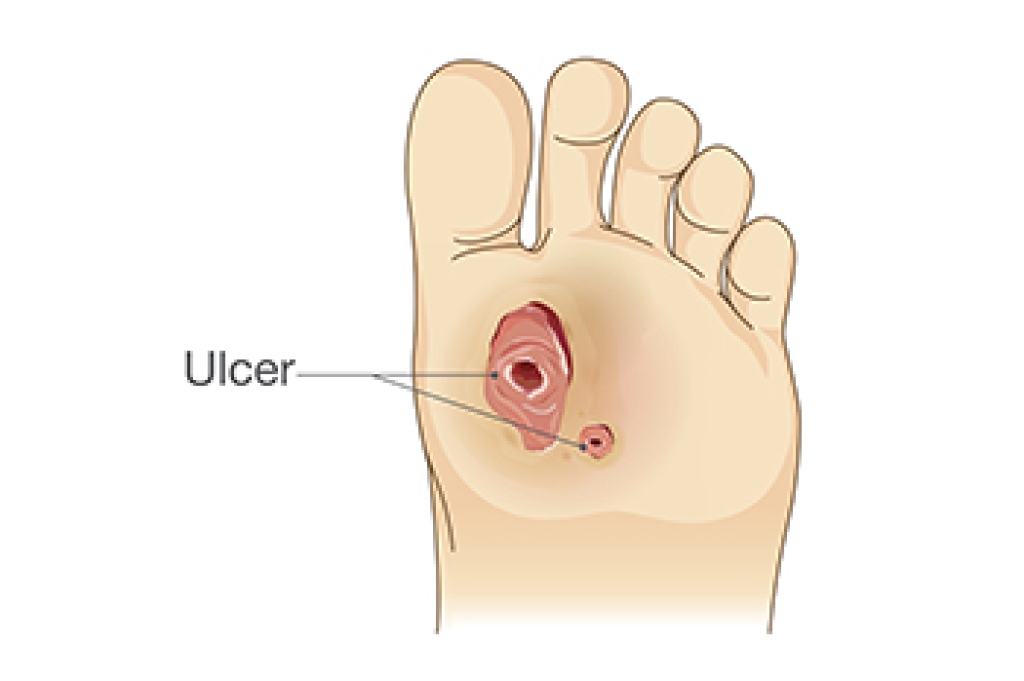
People who are diabetic are generally concerned about developing a diabetic foot ulcer. Proper wound care treatment is crucial for this type of infection, and serious consequences may ensue if prompt medical attention is not received. Research has shown that approximately 25 percent of diabetic patients will develop a foot ulcer, and implementing prevention techniques may help to avoid this. An essential step for this type of wound care treatment can be to remove the necrotic or dead wound tissue. This is referred to as debridement, and there are various ways to treat this. It is important to reduce any pressure on the wound, and often an off-loading boot is worn. The wound is typically drained, and the healthy underlying tissue is examined. Effective prevention methods can include keeping glucose levels within a normal range, drinking plenty of water daily, and eating healthy foods. If you have a diabetic foot ulcer, it is strongly suggested that you are under the care of a podiatrist who can provide the proper treatment.

Wound care is an important part in dealing with diabetes. If you have diabetes and a foot wound or would like more information about wound care for diabetics, consult with Ramin Nadjafi, DPM from Advanced Podiatry Group. Our doctor will assess your condition and provide you with quality foot and ankle treatment.

What Is Wound Care?

Wound care is the practice of taking proper care of a wound. This can range from the smallest to the largest of wounds. While everyone can benefit from proper wound care, it is much more important for diabetics. Diabetics often suffer from poor blood circulation which causes wounds to heal much slower than they would in a non-diabetic. 

What Is the Importance of Wound Care?

While it may not seem apparent with small ulcers on the foot, for diabetics, any size ulcer can become infected. Diabetics often also suffer from neuropathy, or nerve loss. This means they might not even feel when they have an ulcer on their foot. If the wound becomes severely infected, amputation may be necessary. Therefore, it is of the upmost importance to properly care for any and all foot wounds.

How to Care for Wounds

The best way to care for foot wounds is to prevent them. For diabetics, this means daily inspections of the feet for any signs of abnormalities or ulcers. It is also recommended to see a podiatrist several times a year for a foot inspection. If you do have an ulcer, run the wound under water to clear dirt from the wound; then apply antibiotic ointment to the wound and cover with a bandage. Bandages should be changed daily and keeping pressure off the wound is smart. It is advised to see a podiatrist, who can keep an eye on it.

If you have any questions please contact our office located in Orlando, FL . We offer the newest diagnostic and treatment technologies for all your foot and ankle needs.

Read more about Wound Care

Connect With Us