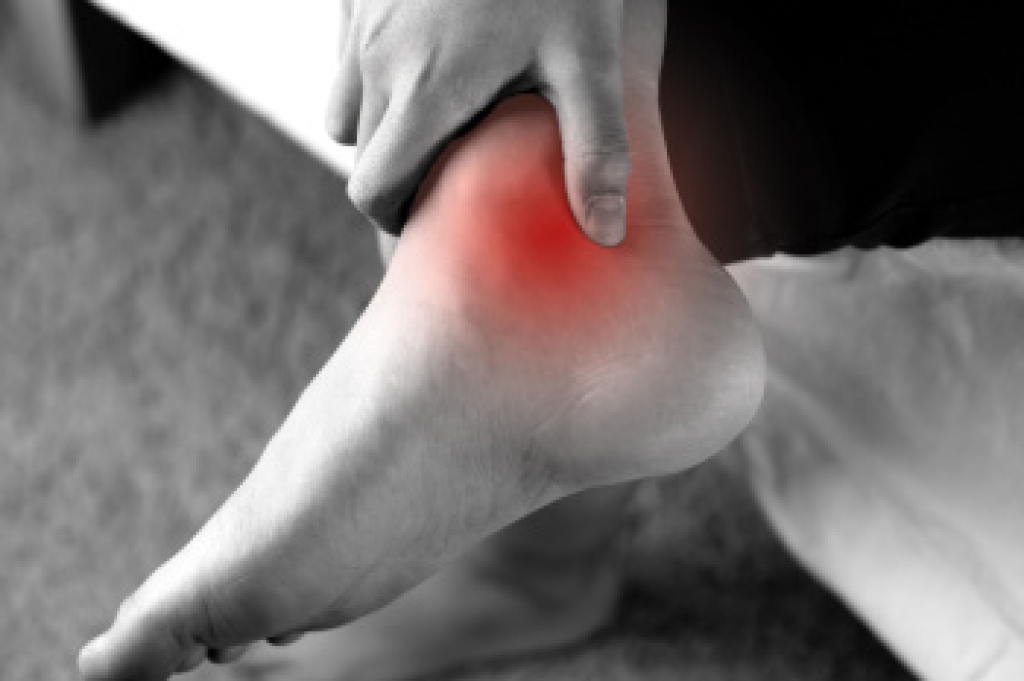
When Is Heel Spur Surgery Needed?

A heel spur is a small, bony growth that develops on the bottom of the heel bone due to long-term stress on the foot. Many people with a heel spur do not need surgery, but it may be considered when pain is ongoing and limits daily movement. Heel spur surgery is usually discussed only after a podiatrist has tried other medical treatment and the pain still affects walking or standing. It may also be needed if the spur is irritating nearby tissue or causing lasting inflammation, or swelling and pain in the area. A podiatrist can examine the foot and review imaging like X-rays to determine if surgery is needed. The procedure can remove the spur and reduce strain on the surrounding structures to improve comfort and function. If you have pain from a heel spur, it is suggested that you make an appointment with a podiatrist to see if surgery is an option.

Heel spurs can be incredibly painful and sometimes may make you unable to participate in physical activities. To get medical care for your heel spurs, contact Ramin Nadjafi, DPM from Advanced Podiatry Group. Our doctor will do everything possible to treat your condition.

Heels Spurs

Heel spurs are formed by calcium deposits on the back of the foot where the heel is. This can also be caused by small fragments of bone breaking off one section of the foot, attaching onto the back of the foot. Heel spurs can also be bone growth on the back of the foot and may grow in the direction of the arch of the foot.

Older individuals usually suffer from heel spurs and pain sometimes intensifies with age. One of the main condition's spurs are related to is plantar fasciitis.

Pain

The pain associated with spurs is often because of weight placed on the feet. When someone is walking, their entire weight is concentrated on the feet. Bone spurs then have the tendency to affect other bones and tissues around the foot. As the pain continues, the feet will become tender and sensitive over time.

Treatments

There are many ways to treat heel spurs. If one is suffering from heel spurs in conjunction with pain, there are several methods for healing. Medication, surgery, and herbal care are some options.

If you have any questions, please feel free to contact our office located in Orlando, FL . We offer the newest diagnostic and treatment technologies for all your foot care needs.

Read more about Heel Spurs

Acute Ankle Trauma in Athletes

Ankle sprains are acute injuries that commonly affect athletes, especially in sports such as basketball, football, and soccer. They often occur when the foot twists or rolls unexpectedly, placing stress on the ligaments on the outer side of the ankle. This can happen during jumping, cutting, or sudden changes in direction. Symptoms include pain, swelling, bruising, and difficulty bearing weight. Risk factors include previous ankle injuries, poor conditioning, inadequate footwear, and uneven playing surfaces. Without proper care, sprains may lead to instability or repeated injury. A podiatrist can help by evaluating the severity of the sprain, providing treatment to reduce inflammation, and guiding rehabilitation. If you have instability from a sprained ankle, it is suggested that you consult a podiatrist who can offer effective relief and treatment solutions.

Ankle sprains are common but need immediate attention. If you need your feet checked, contact Ramin Nadjafi, DPM from Advanced Podiatry Group. Our doctor can provide the care you need to keep you pain-free and on your feet.

How Does an Ankle Sprain Occur?

Ankle sprains take place when the ligaments in your ankle are torn or stretched beyond their limits. There are multiple ways that the ankle can become injured, including twisting or rolling over onto your ankle, putting undue stress on it, or causing trauma to the ankle itself.

What Are the Symptoms?

  • Mild to moderate bruising
  • Limited mobility
  • Swelling
  • Discoloration of the skin (depending on severity)

Preventing a Sprain

  • Wearing appropriate shoes for the occasion
  • Stretching before exercises and sports
  • Knowing your limits

Treatment of a Sprain

Treatment of a sprain depends on the severity.  Many times, people are told to rest and remain off their feet completely, while others are given an air cast. If the sprain is very severe, surgery may be required.

If you have suffered an ankle sprain previously, you may want to consider additional support such as a brace and regular exercises to strengthen the ankle.

If you have any questions please feel free to contact our office located in Orlando, FL . We offer the newest diagnostic tools and technology to treat your foot and ankle needs.

Read more about Ankle Sprains

Dealing With Gout

Gout is a form of inflammatory arthritis that occurs when uric acid builds up in the bloodstream and forms crystals within a joint, often affecting the big toe. This can cause sudden and intense pain along with redness, warmth, and swelling that may develop quickly and make walking or wearing shoes difficult. The joint may look inflamed and feel extremely tender, even with light pressure. A podiatrist can play an important role in identifying gout, helping to manage symptoms early and coordinating with other providers if testing is needed. Treatment typically focuses on reducing inflammation and relieving pain with appropriate medication while also protecting the joint during flare-ups. A podiatrist can also recommend proper footwear, activity adjustments, and strategies to reduce stress on the affected area to help prevent future episodes. If you have gout, it is suggested that you make an appointment with a podiatrist.

Gout is a painful condition that can be treated. If you are seeking treatment, contact Ramin Nadjafi, DPM from Advanced Podiatry Group. Our doctor will treat your foot and ankle needs.

What Is Gout?

Gout is a form of arthritis that is characterized by sudden, severe attacks of pain, redness, and tenderness in the joints. The condition usually affects the joint at the base of the big toe. A gout attack can occur at any random time, such as the middle of the night while you are asleep.

Symptoms

  • Intense Joint Pain - Usually around the large joint of your big toe, and it most severe within the first four to twelve hours
  • Lingering Discomfort - Joint discomfort may last from a few days to a few weeks
  • Inflammation and Redness -Affected joints may become swollen, tender, warm and red
  • Limited Range of Motion - May experience a decrease in joint mobility

Risk Factors

  • Genetics - If family members have gout, you’re more likely to have it
  • Medications - Diuretic medications can raise uric acid levels
  • Gender/Age - Gout is more common in men until the age of 60. It is believed that estrogen protects women until that point
  • Diet - Eating red meat and shellfish increases your risk
  • Alcohol - Having more than two alcoholic drinks per day increases your risk
  • Obesity - Obese people are at a higher risk for gout

Prior to visiting your podiatrist to receive treatment for gout, there are a few things you should do beforehand. If you have gout you should write down your symptoms--including when they started and how often you experience them, important medical information you may have, and any questions you may have. Writing down these three things will help your podiatrist in assessing your specific situation so that he or she may provide the best route of treatment for you.

If you have any questions, please feel free to contact our office located in Orlando, FL . We offer the newest diagnostic and treatment technologies for all your foot care needs.

Read more about Gout

We Can Treat Your Foot or Ankle Pain

Foot or ankle pain can negatively affect your day-to-day life and can occur due to several different conditions. Pain can also be an indicator of a more serious underlying condition, which is why you should seek professional help as soon as you notice any abnormalities in your feet.

Dealing With Foot Drop

Foot drop is a condition that makes it difficult to lift the front part of the foot while walking. This motion allows the toes to clear the ground with each step. When the muscles that perform this movement become weak or the nerves that control them are damaged, people may develop an abnormal walking pattern known as a steppage gait. This occurs when the knee is lifted higher than normal to prevent the toes from dragging, similar to marching. Foot drop can result from nerve compression near the knee, injuries to the lower back, or certain muscle or neurological disorders. Without proper care, the risk of tripping and falling may increase. A podiatrist can evaluate walking patterns, perform physical and neurological exams, order imaging tests, and provide bracing, custom orthotics, or rehabilitation guidance. If you have difficulty lifting the tip of the foot while walking, it is suggested that you make an appointment with a podiatrist for an exam, diagnosis, and treatment.

If you have any concerns about your feet, contact Ramin Nadjafi, DPM from Advanced Podiatry Group. Our doctor can provide the care you need to keep you pain-free and on your feet.

Biomechanics in Podiatry

Podiatric biomechanics is a particular sector of specialty podiatry with licensed practitioners who are trained to diagnose and treat conditions affecting the foot, ankle and lower leg. Biomechanics deals with the forces that act against the body, causing an interference with the biological structures. It focuses on the movement of the ankle, the foot and the forces that interact with them.

A History of Biomechanics

  • Biomechanics dates back to the BC era in Egypt where evidence of professional foot care has been recorded.
  • In 1974, biomechanics gained a higher profile from the studies of Merton Root, who claimed that by changing or controlling the forces between the ankle and the foot, corrections or conditions could be implemented to gain strength and coordination in the area.

Modern technological improvements are based on past theories and therapeutic processes that provide a better understanding of podiatric concepts for biomechanics. Computers can provide accurate information about the forces and patterns of the feet and lower legs.

Understanding biomechanics of the feet can help improve and eliminate pain, stopping further stress to the foot.

If you have any questions please feel free to contact our office located in Orlando, FL . We offer the newest diagnostic and treatment technologies for all your foot and ankle needs.
Read more about Biomechanics in Podiatry

Connect With Us