Foot Orthotics in Orlando, FL
Medical-Grade OTC Insoles vs. Drugstore Insoles: Which Is Better for Plantar Fasciitis?
If you have plantar fasciitis, you may have already found yourself standing in the pharmacy aisle looking at rows of shoe inserts. Some promise extra cushioning. Others claim to support the arch, reduce heel pain, or make walking more comfortable. With so many options available, it can be difficult to know which one is actually worth trying.
For many patients, over-the-counter insoles can be a helpful first step. However, not all inserts are made the same. Some drugstore insoles are designed mainly for comfort, while medical-grade OTC insoles are often built to provide better support, stability, and shock absorption.
At Advanced Podiatry Group, Ramin Nadjafi, DPM helps patients understand what may be causing their heel pain and which treatment options may provide the best relief.
What Causes Plantar Fasciitis?
Plantar fasciitis occurs when the thick band of tissue along the bottom of the foot becomes irritated or inflamed. This tissue, called the plantar fascia, helps support the arch and absorb stress as you walk.
The pain is often felt near the heel, especially with the first steps in the morning or after sitting for a long period of time. While the discomfort may feel like a simple heel problem, the cause is often related to the way the foot moves.
Flat feet, high arches, overpronation, tight calf muscles, poor shoe support, and long hours on your feet can all place extra strain on the plantar fascia. When that strain continues day after day, the tissue can become painful and difficult to ignore.
That is why choosing the right type of insole matters. A soft insert may feel good at first, but plantar fasciitis often needs more than cushion alone.
Drugstore Insoles: Helpful Cushioning, Limited Support
Drugstore insoles are easy to find and may provide some short-term comfort. They can be useful if your shoes feel too hard, too thin, or poorly padded. For mild foot fatigue, they may be enough.
Common benefits of drugstore insoles include:
- They are easy to purchase
- They usually cost less upfront
- They can make shoes feel softer
- They may help with minor discomfort
- They are available in many styles and sizes
The concern is that many drugstore inserts are designed for a broad range of feet. They may not offer enough arch control, heel stability, or long-lasting structure for plantar fasciitis.
Some inserts also compress quickly. Once the material flattens, the support may disappear, even if the insert still looks usable. For patients with heel pain caused by poor foot mechanics, this can make drugstore insoles a short-lived solution.
Medical-Grade OTC Insoles: Better Support Without Custom Orthotics
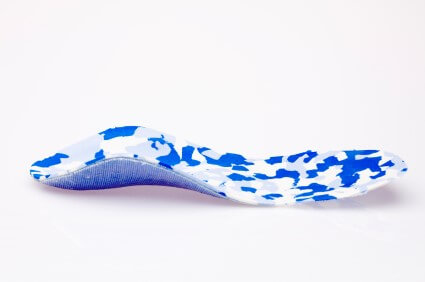
Medical-grade OTC insoles are different from basic cushion inserts. They are usually designed to provide more structure, better shock absorption, and improved foot control.
For plantar fasciitis, this can be important because the goal is not only to soften impact. The goal is also to reduce stress on the plantar fascia during walking, standing, and daily activity.
Medical-grade OTC insoles may include features such as:
- Stronger arch support
- A deeper heel cup
- Better heel stability
- More durable materials
- Improved shock absorption
- Better control of excess foot motion
A deep heel cup can help cradle the heel and reduce side-to-side movement. Stronger arch support can help limit strain through the bottom of the foot. Better materials may also last longer than basic foam or gel inserts.
For many patients, this type of insole can be a practical middle ground between a drugstore insert and a custom orthotic.
When Are Custom Orthotics Needed?
Custom orthotics are not always the first step, but they can be very helpful for certain patients. If your pain continues despite shoe changes, stretching, supportive insoles, or other conservative care, Dr. Nadjafi may recommend a more personalized approach.
Custom orthotics may be considered when:
- Heel pain keeps coming back
- One foot has a different structure than the other
- Flat feet or high arches are contributing to pain
- You have recurring plantar fasciitis
- You stand or walk for long hours
- You have sports-related foot strain
- You have diabetes or circulation concerns
- OTC inserts have not provided enough relief
A podiatric evaluation can help determine whether your pain is coming from plantar fasciitis alone or whether another condition may also be involved, such as heel spurs, nerve irritation, tendon problems, or arthritis.
Which Insole Is Right for Plantar Fasciitis?
The best insole depends on your foot structure, activity level, shoes, and symptoms.
A drugstore insole may be reasonable if your discomfort is mild and you only need extra cushion. However, if you have true plantar fasciitis, especially morning heel pain or pain that worsens with standing, a more supportive medical-grade OTC insole may be a better choice.
In general:
- Drugstore insoles are often best for basic cushioning and temporary comfort.
- Medical-grade OTC insoles are often better for support, stability, shock absorption, and reducing strain on the plantar fascia.
- Custom orthotics may be recommended when pain is persistent, recurring, or related to more complex foot mechanics.
Don’t Ignore Heel Pain That Lasts
Heel pain is common, but it should not be ignored. Plantar fasciitis can become more difficult to treat when patients continue walking, exercising, or working through the pain without proper support. Early treatment may include stretching, shoe changes, activity modification, icing, anti-inflammatory recommendations, orthotics, night splints, or other podiatric care. The right plan depends on the cause and severity of your symptoms.
See Dr. Ramin Nadjafi for Plantar Fasciitis in Orlando, FL
If you are dealing with heel pain, plantar fasciitis, or discomfort when walking, Ramin Nadjafi, DPM at Advanced Podiatry Group can help evaluate your feet and recommend the best treatment options for your needs. Whether you need better shoe support, medical-grade OTC insoles, custom orthotics, or a full heel pain treatment plan, Dr. Nadjafi can help you take the next step toward relief.
Request an appointment with Advanced Podiatry Group today to get back on your feet with greater comfort and confidence.